
Mac screenshot tools
ShotShot vs PixPin
Compare PixPin with ShotShot’s canvas, where you can drag and rearrange each screenshot independently.
When PixPin makes sense
PixPin supports Mac and Windows, with screenshots, pinned references, on-device OCR, long captures, and annotated recordings. It is useful when a capture tool must also handle reference material and recording. PixPin features · Supported systems
Can you freely rearrange each image?
Stitching joins images side by side or top to bottom. A free canvas lets you place each image anywhere and move it again later. These are different editing workflows.
| PixPin | ShotShot |
|---|---|
| PixPin documents stitching long pages and pinning multiple items. Those do not by themselves establish free arrangement of several images on an editable export canvas; that workflow is unverified here. PixPin features · Supported systems | Drag each image anywhere on the shared canvas, including after adding other images. Move, resize, rotate, overlap, and reorder images independently. Add arrows and text in the space around them. Row and column layouts are optional, not fixed constraints. |
When to choose ShotShot
Choose ShotShot for building one still-image explanation from separate captures, with movable images and shared annotations. Local OCR alone is not a reason to switch: PixPin already advertises it.
Drag each screenshot anywhere on the canvas.
In ShotShot, each screenshot stays a separate object. Place images wherever you need them, leave gaps for labels, overlap them, and drag them again as you edit. Your composition is not locked into a side-by-side row or a top-to-bottom strip.
- Capture or import. Take a screenshot, then add another capture to the same canvas. You can also paste or import existing images.
- Drag freely. Move, resize, rotate, and stack each image independently. Grid, row, column, and before/after layouts are optional starting points. You can still move images afterward.
- Explain. Add arrows, step numbers, and text across the composition. Use liquid glass text and shapes when they help the explanation.
- Send. Copy or export the whole canvas. Save a
.shotshotdocument to change the images and annotations later.
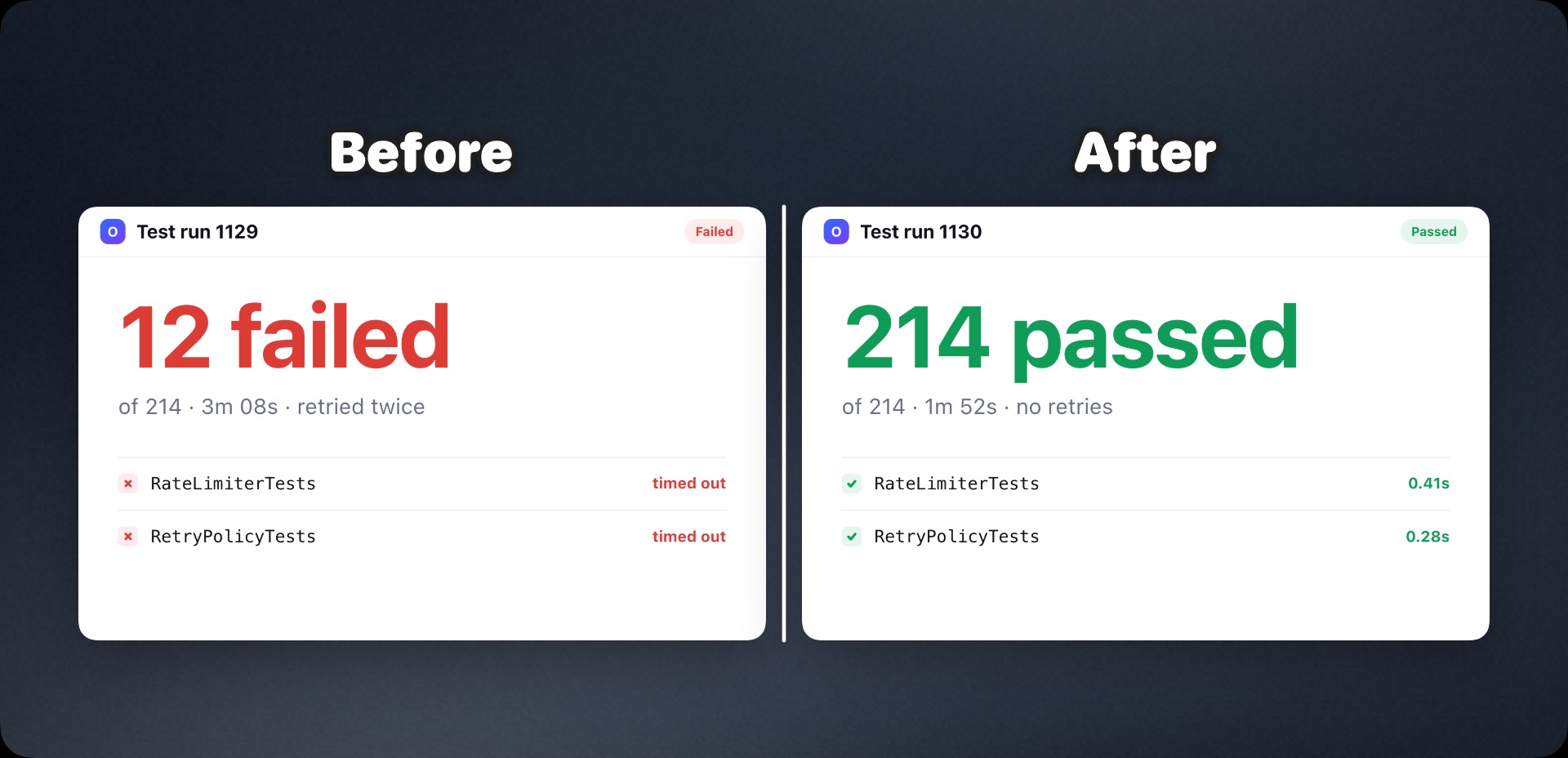
Local image tools, in the same editor
Native and direct
ShotShot runs natively on Apple silicon and Intel Macs, on macOS 13 or later. Capture, arrange, annotate, and export in one app for a fast everyday workflow.
Liquid glass text
Give text, arrows, lines, rectangles, ellipses, and step markers a liquid glass material. Standard solid annotations are available too.
Remove backgrounds
Apple Vision isolates a foreground subject locally. Requires macOS 14 or later; an image needs a detectable subject. This uses Apple’s on-device Vision framework, with no image upload required.
Extract text
Read text from images with Apple Vision OCR and copy it into your work. Recognition runs on your Mac.
Upscale 4×
Apple’s on-device super-resolution enlarges the selected image. Requires macOS 26 or later, supported hardware, and a supported source no larger than 1920 × 1920 pixels.
Keep images local
Capture, editing, OCR, background removal, upscaling, and export run locally. Licence checks and update checks use the network. See the privacy policy.
ShotShot focuses on still-image composition. It does not offer screen recording, scrolling capture, or hosted share links. “Fast” describes the intended workflow; we have not run comparative speed benchmarks.
Make your next explanation in one canvas.
Capture two screenshots, arrange them, and add the arrows and text that make the point.
Download for macOS See pricing and licence detailsSources and comparison limits
PixPin features · Supported systems. ShotShot features are described on the product page and in its feature reference.
“Not documented” means the cited source does not confirm a feature. It does not mean the app cannot do it. Features and plans can change; check the vendor’s current documentation. Product names belong to their respective owners.